
 Good morning class, today we’ll be discussing some of the intricacies with furnace safety and how you can have your own furnace safety checklist!
While furnaces are built for safety, and year after year a new technological breakthrough leads to better furnace safety and performance, they’re still combustion machines. At the end of the day, your heating system is still burning fuel to create heat, and this can be dangerous when neglected or poorly maintained.
If you’re constantly feeling nervous or awake late at night worrying over the state of your furnace, then this post is for you. While we might be ready to perform Cherry Hill furnace repairs, we need homeowners to be vigilant and contact us when their systems aren’t working correctly. Stay sharp and utilize this safety checklist to ensure your heater is in good condition.
 Heater breakdowns are the epitome of an emergency. Our community here in New Jersey depends on heaters to the point where sometimes our lives depend on them, and when temperatures drop below freezing—having a heater break down can be downright terrifying.
 Boilers, just like every other heating system available, aren’t perfect. They can suffer from common problems that other heaters usually do, like lack of heating and interior burner problems, but they can also suffer from unique issues that homeowners aren’t always prepared for.
 Before you get too carried away, remember that we’re just your friendly, neighborhood HVAC contractor. While we can’t necessarily help you pay your high heating bills, we can try to explain why those bills are so high and some solutions to mitigate the problem going forward!
 It’s that time of year again when furnaces are chugging along against the brutal cold here in New Jersey, and every homeowner is obsessing over whether or not their heater will make it. We don’t just get service calls this time of year, but calls with all sorts of questions about furnace health, efficiency, and replacement. So, we’re going to be talking today about the most common furnace questions we get, to hopefully ease your mind and provide a solution that doesn’t cause so much stress.
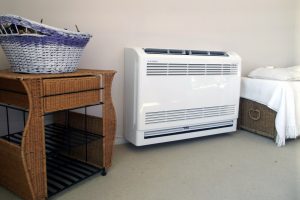 Nothing feels worse in the middle of the winter than pressing “heat” on your thermostat, to then feel frigid air coming from your air handler. Heat pumps are supposed to heat your home, at least that’s what you were told when it installed! Not only that, but it’s freezing outside and you can’t deal with it being freezing inside as well, right?
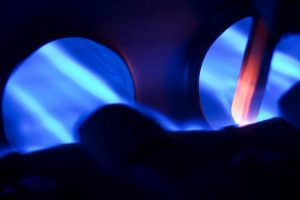 Furnaces are not magic. They consume the fuel or energy that gets delivered to your house via a pipeline, wiring system, or delivery, and produce heat. While we often forget about this process, thanks to the quiet and productive nature of these systems, sometimes we can be blinded into thinking that everything is running smoothly when it’s not. If you’re looking to avoid
  This isn’t Star Trek. There aren’t ten engineers wearing red shirts all taking care of your heater while you get to spend the rest of your time hosting your folks for the holidays. Heaters work quietly, in the dark, and alone most of the time where they’re out of sight and out of mind. This means that heater maintenance goes overlooked more often than we’d like.
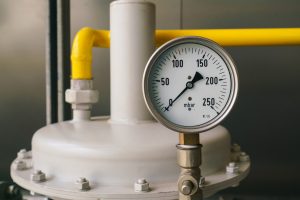 “Corrosion” or “leak” are two words you do not want to hear when talking about a boiler system. Your boiler could be the most expensive piece of equipment on your property, and rightfully so. It keeps your home cozy during even the coldest of winters, using water and piping to radiate heat. That being said, corrosion and leak problems do occur on boilers occasionally and it’s extremely advantageous to know what to do and how to handle them.
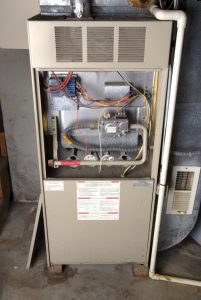 Modern-day furnaces are paradigms of fuel efficiency. It’s no wonder why consumers all over the country choose gas-fueled furnaces as their main source of heat during the coldest months of the winter. Approaching 90% efficiency and beyond, gas furnaces can heat your home at the fraction of the cost and energy consumption that they used to.