Ambient Comfort LLC Blog: Archive for the ‘Heating’ Category

The Invisible Dangers of Carbon Monoxide

Thursday, February 15th, 2018

It is an old adage that what you don’t know can’t hurt you. But this is blatantly false when it comes to carbon monoxide gas.

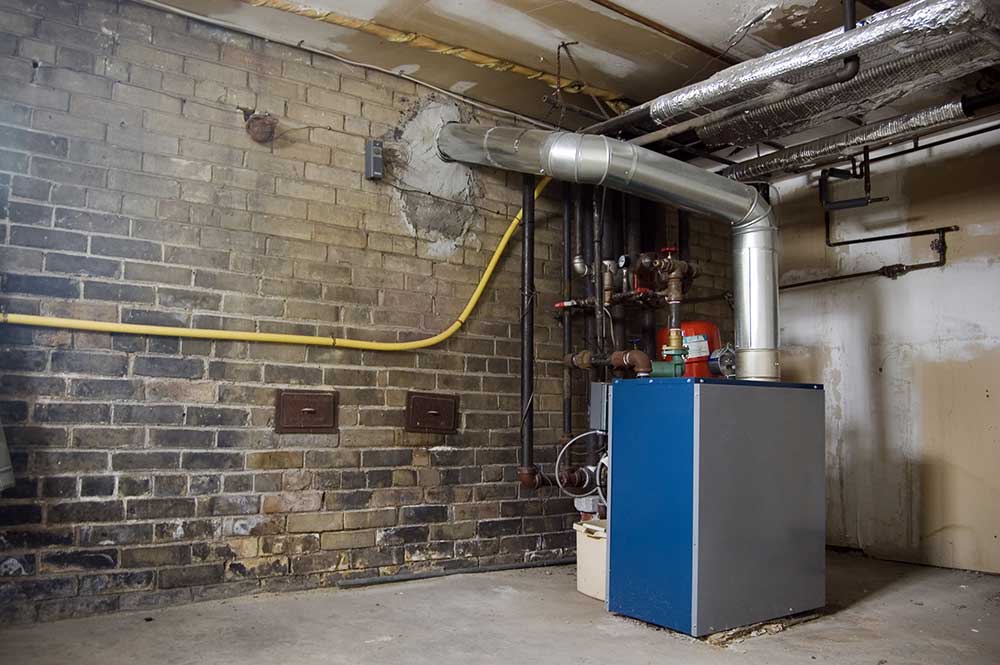
Carbon monoxide (CO) is a byproduct of combustion. It is produced when any fuel burning device is used. For example, when your oil or gas furnace, boiler, gas dryer, stove, deep fryer, space heater, or other any fuel-burning device is running, CO is being created. Normally, it is produced in small amounts and vented safely out of the home. But, because it is invisible and odorless, it is also dangerous. Should the device be operating inefficiently, or if there is a failure in venting the gas out of the home, CO can build up to dangerous levels, causing illness, permanent injury or death. It happens to hundreds of people every year.

RELATED READ: Five signs your furnace needs repair

The first step in protecting your family against carbon monoxide poisoning is to have a CO monitor in your home. Check your monitor at least quarterly and replace batteries twice a year to make sure they are operating optimally. There is a difference between a CO detector, available at most home stores starting around $30, and a CO monitor. A CO detector only alarms when levels are very high for sustained periods. A detector may prevent death, but not headaches, flu symptoms, memory loss and other symptoms of even low-level prolonged CO exposure. Children and the elderly are particularly susceptible.

A CO monitor, available from professional HVAC companies, indicates the current level of CO in your home, down to the lowest levels. On a heavy cooking day, for example, the monitor may show 16 parts per million, letting you know that cracking window might be a good idea.

Also important is to have your home’s heating system checked annually by an HVAC professional. Regular maintenance can ensure that your devices are burning fuel efficiently and venting it properly outside of the home.

Heating professionals can test the air quality in your home to make sure your family is breathing air that is safe. They also can check for leaks around your furnace, chimney, gas heaters, hot water heaters and stoves.

RELATED READ: Improving your home’s air quality


More Tips to Stay Safe from Carbon Monoxide

  1. Never use portable heaters that burn fuel (such as kerosene or propane) inside the home.
  2. Have wood stoves and fireplaces inspected and cleaned annually to ensure proper venting.
  3. Never start or run a motor vehicle with the garage door closed or with a door open to the living areas of the house. After starting the car, drive it out of the garage as soon as possible.

The physical symptoms of carbon monoxide poisoning include headache, blurred vision, confusion, dizziness, physical weakness or nausea or vomiting that sometimes come on quickly. Should you experience these, you may be experiencing CO poisoning. Go outside immediately and do not reenter the home even if you feel better. CO builds up in the human body and does not leave with a quick trip outside. Call for emergency support using a mobile phone or a neighbor’s phone. Get a professional to check your furnace and other appliances.

Contact the professionals at Home Comfort Experts today to find out how we can improve your home’s air quality so you can breathe easily and safely. We serve Northern Indiana and Southwestern Michigan from our twelve locations. Give us a call at (574) 255-4600 to find out how we can help.

Continue Reading

Preventing Dryer Fires

Thursday, February 1st, 2018

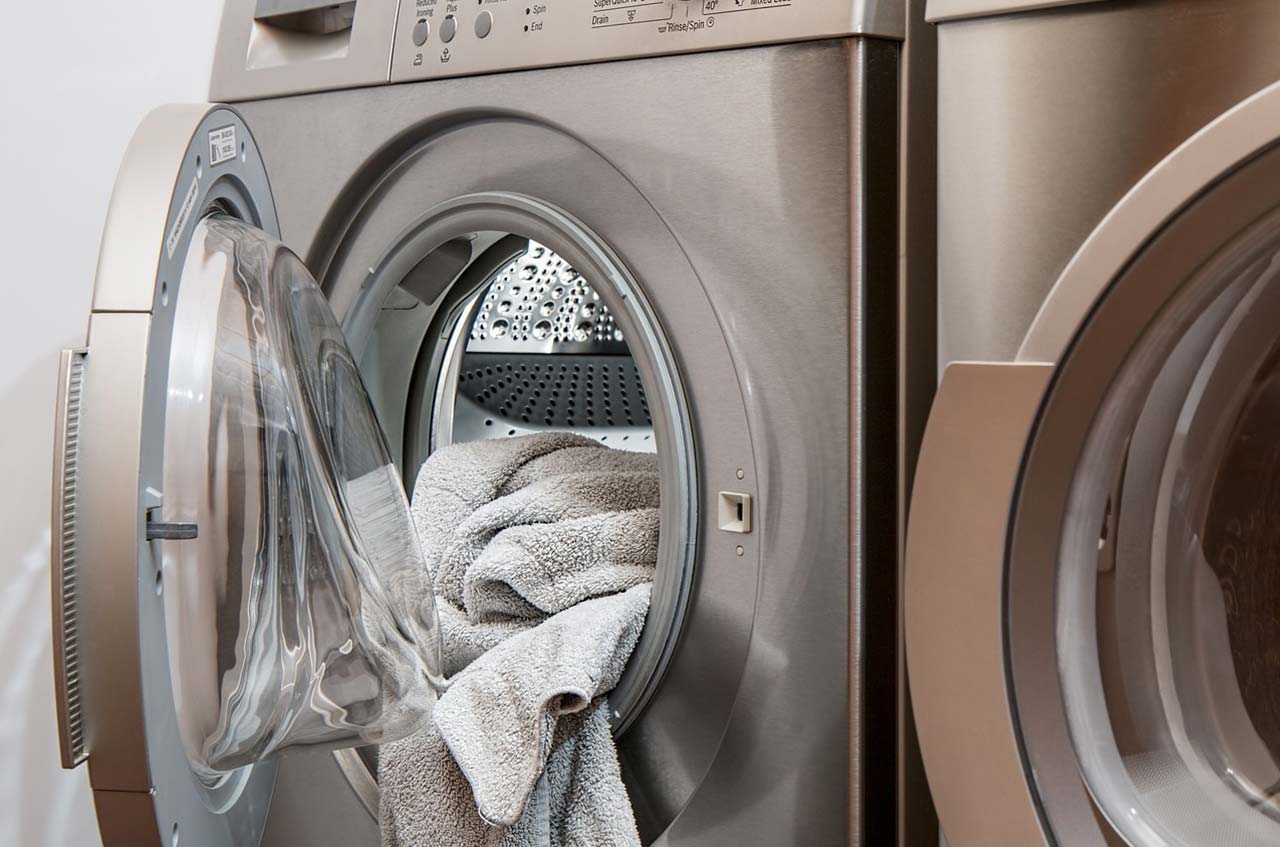
Washing machines and clothes dryers are workhorses in most homes, especially those with children. Both, however, cause thousands of home fires each year, and dryers are responsible for a many of them. However, it is not difficult to ensure the safety of your dryer, and given the importance of doing so, there’s really no excuse not to. After you’ve made sure your dryer is properly installed (something a professional should take care of), the rest of it is simple.


Since dryers are appliances that heat, sparks can occur. In the case of gas dryers, an actual flame is present in your dryer, just like in a gas furnace. Most fires caused by clothes dryers occur when an item being dried ignites, or when built-up lint in either the lint screen or the dryer venting ignites. To avoid the first cause of fires, make sure that all items placed in the dryer are made of fabrics suitable for drying. Never dry items that contain combustible fluids such as painting solvents, certain household cleaners, or grease. If you washed greasy clothing and the grease didn’t come out, you have three choices: wash it again, air dry it, or throw it out.

Watch out for Lint

Lint is composed of tiny fibers that break off the fabric of your clothing. Many hikers and campers carry a little bag of dryer lint with them in a sealed plastic bag to use as tinder, to help start a fire in an emergency. It’s that flammable!

The easiest step in preventing a dryer fire is to clean the lint screen after each dryer load. Making this a regular practice will eliminate the flammable material, allow your dryer to function more efficiently, and also reduce lint buildup in the exhaust hose and vent. Regularly wiping down the inside of the dryer to remove any extraneous fibers can also help.

Make sure your dryer vents to outside the home and that it is kept clear. Keep leaves and grass away from the vent. Several times a year, go outside while the dryer is running and confirm that plenty of warm, moist air is coming out of the vent. If it’s not, the exhaust hose is probably clogged with lint. Also check if the vent itself is clogged. If you can’t disassemble the vent and detach the hose yourself to clear or replace them, call a professional.

The area around your dryer should also be kept clear. There are air intake vents on the back of your dryer which can accumulate lint and dust. If they are obstructed of become clogged, it can cause the motor to overheat, possibly resulting in a fire. Vacuuming the rear vents a couple times a year is a good precaution.

Consider a booster for dryer hoses longer than 10 feet to ensure all the lint and hot air are properly vented.

Related read: Clean your dryer vent and limit lint buildup to help prevent fires


Simple Tips for Dryer Safety

Here’s a summary and some more tips to prevent dryer fires:

  • Make sure your appliances are professionally installed and grounded. If your dryer is gas-fired, make sure the gas lines are intact.
  • Do not overload the dryer with too many clothes, which can increase the heat levels.
  • Never operate the dryer when you are sleeping or not at home.
  • Clean the lint trap after every use.
  • Check the exhaust hose and vent periodically for lint buildup, and clear them when necessary.
  • Keep the intake vents clear.
  • Get professional service for any problems you can’t handle yourself.

The heating professionals at Home Comfort Experts are available to inspect your dryer vent and use our professional grade equipment to clean out your dryer from the lint screen all the way to outside your home if necessary. We serve Northern Indiana and Southwestern Michigan from twelve locations. Give us a call at (574) 255-4600 to learn about our complete heating, cooling and plumbing services.


Continue Reading

Why Is My Furnace Blowing Cold Air?

Friday, December 15th, 2017

Obviously, a furnace blowing cold air is just not a good sign. There are several common causes for such an unlucky scenario, some of which are easily resolved by homeowners, while others require the attention of a heating professional.

Continue Reading

Prepare Your Heating System For A Snowstorm

Friday, December 8th, 2017

When a snowstorm is predicted, it takes more than a trip to the grocery store and stocking up on food to make sure you can ride out the weather comfortably. Inspecting your heating system and performing some basic preventive maintenance in the home will help make sure your family stays safe and comfortable, no matter the temperature.

Continue Reading

Lowering Your Thermostat Just One Degree Saves Money

Monday, November 27th, 2017

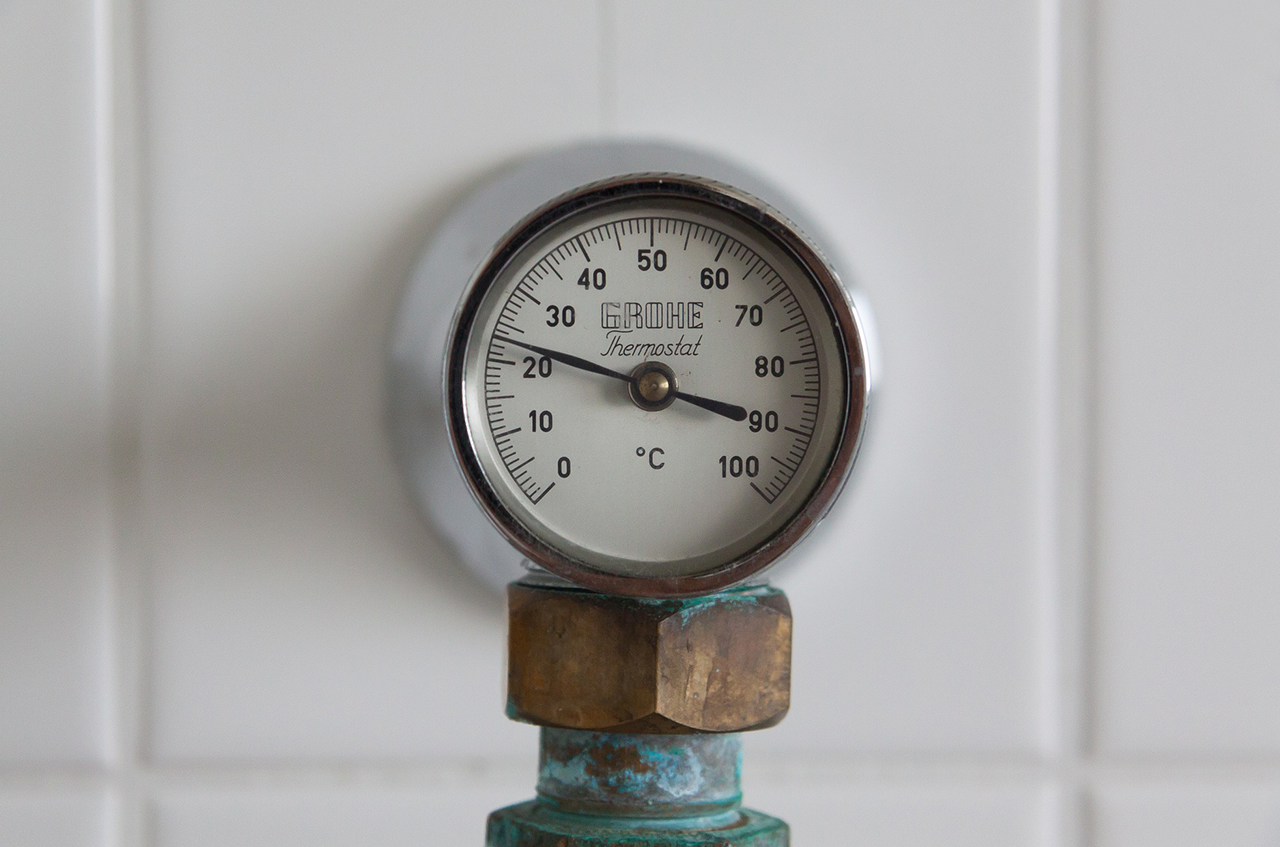
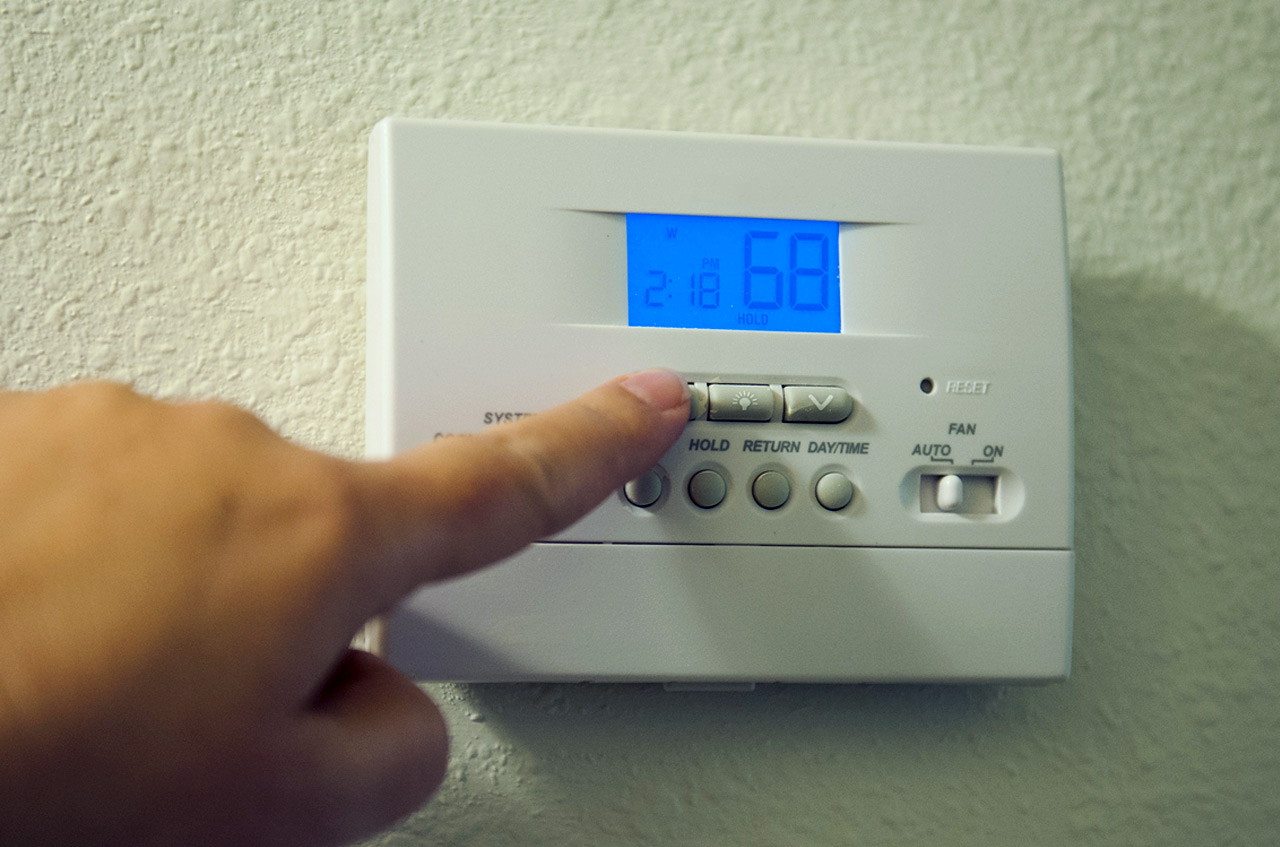
The debate went on for years about whether lowering your home thermostat when you’re not at home saves money. (The argument against it states that it takes more energy to bring a cold home back up to a comfortable temperature than it does to maintain it at that level.) Home heating professionals finally concluded that lowering your thermostat even slightly can save money and energy.

Continue Reading

Preparing Your Heating System For The Holidays

Friday, November 17th, 2017

The holiday season is meant to be enjoyed relaxing and visiting with family and friends. Before it arrives, make sure your home heating system is in good condition so you can avoid any unplanned expenses for repairs and a house full of cold guests.

Now is the right time to have a home heating specialist service your heating system to make sure it is running efficiently. No machinery can run forever without attention, and an annual inspection is the best way to forestall problems. The fall is the best time to do this, just before winter will put the system to its heaviest use.

Continue Reading

Maintenance agreements make sense for heating and cooling equipment

Friday, September 22nd, 2017

So many everyday purchases now come with a maintenance agreement option. Long available on motor vehicles and major appliances like clothes washers and refrigerators, they are now offered on computers, phones and many other electronic devices. Hearing the familiar refrain “would you like a maintenance agreement or extended warranty?” at the check-out counter has become too familiar and not always welcome. Sometimes, the item might be so unlikely to fail, or the extra protection might cost so much, that it just seems like one more scam.

Continue Reading

Time to Upgrade your Home Heating System?

Friday, March 31st, 2017

Time to Upgrade your Home Heating System?

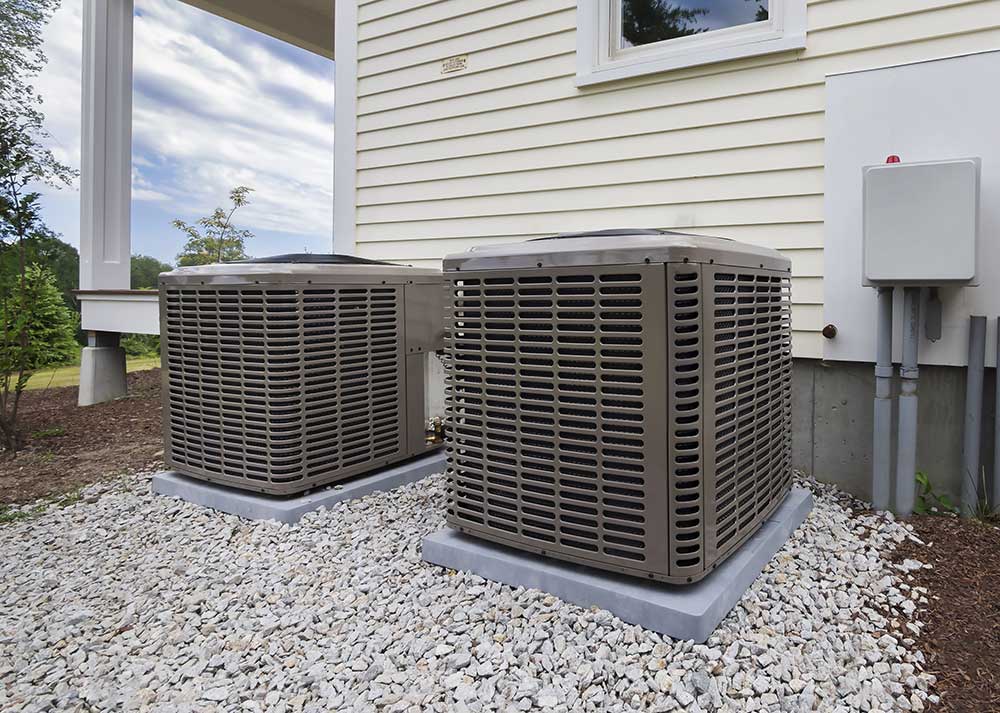
How do you know when you need a new furnace or heat pump? What are the signs of a failing heating system? These are common questions about heating systems, and many of them apply to air conditioning too.

We totally agree with the “repair – don’t replace” philosophy. In most instances, it’s more cost-effective and it’s better for the environment. But like cars, HVAC systems eventually reach a stage where they become unreliable, and where the cost of repeated repairs may begin to overtake the cost of a new system.

Continue Reading

Don’t Overlook Your HVAC System This Spring

Friday, March 31st, 2017

Don’t Overlook Your HVAC System This Spring

The long, cold days of winter are coming to a close, which means that it is time to start tackling that long list of spring cleaning and home improvement projects. HVAC (heating ventilating air conditioning) cleaning and maintenance should be at the top of your list.

Continue Reading